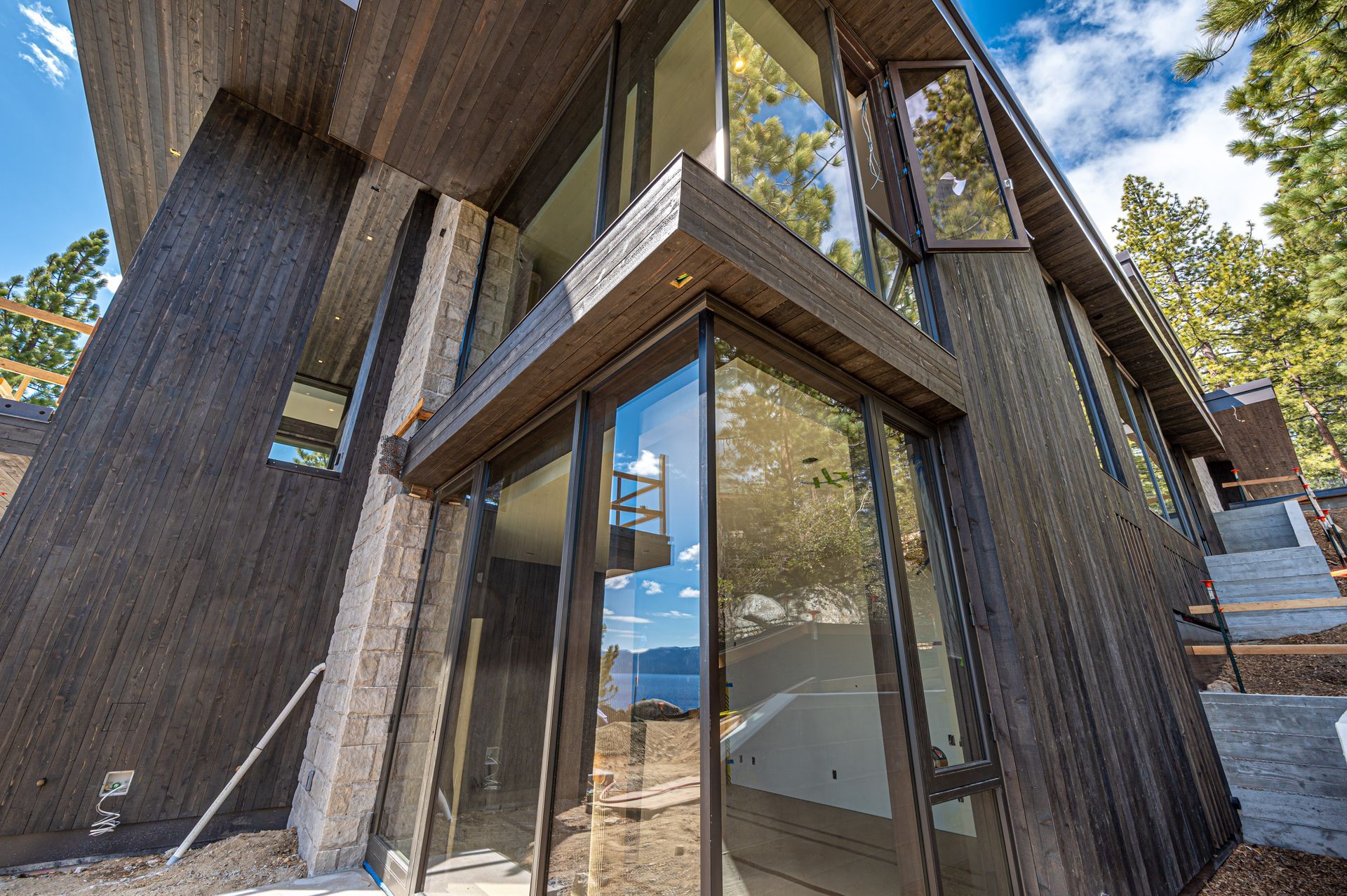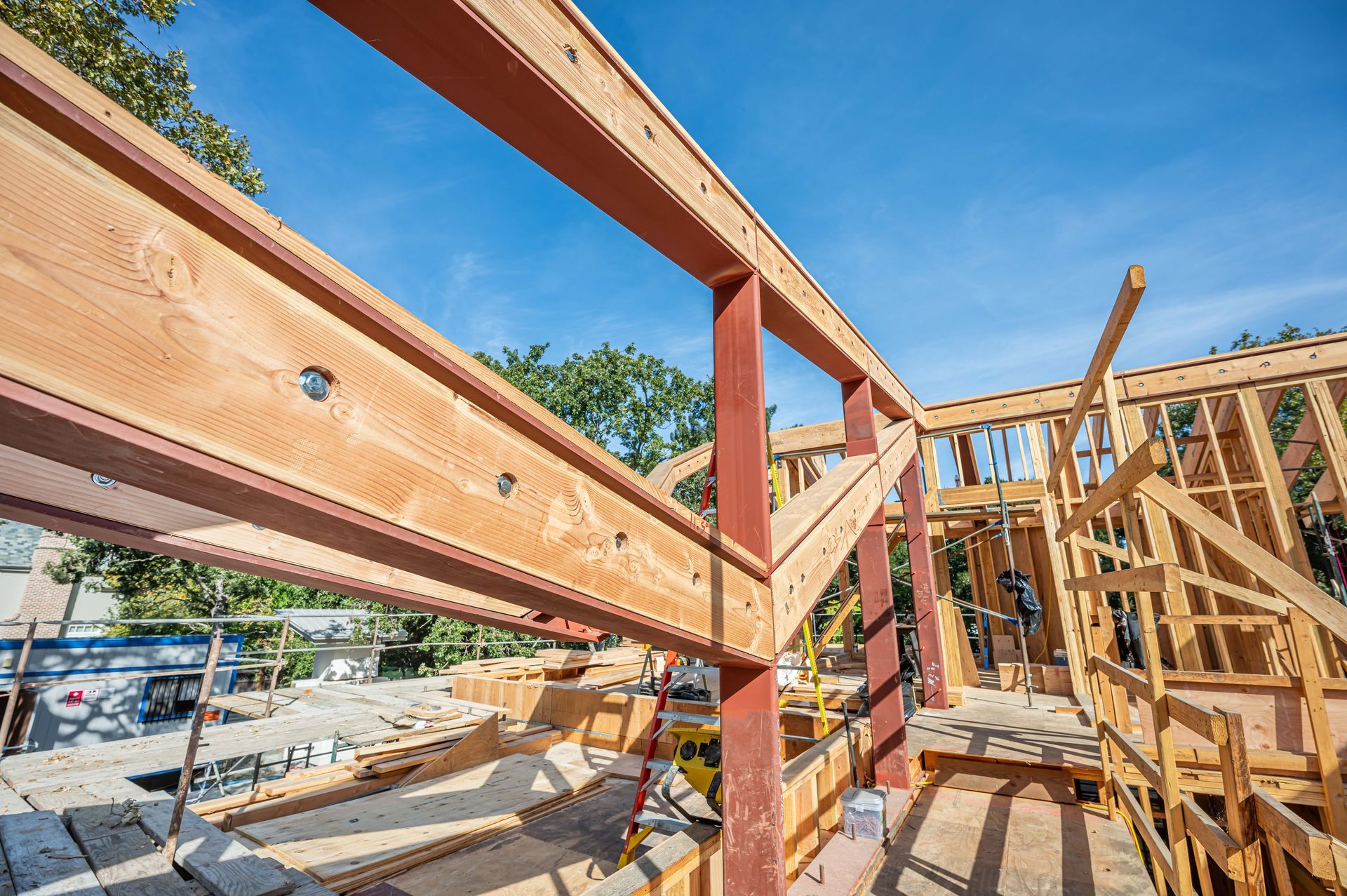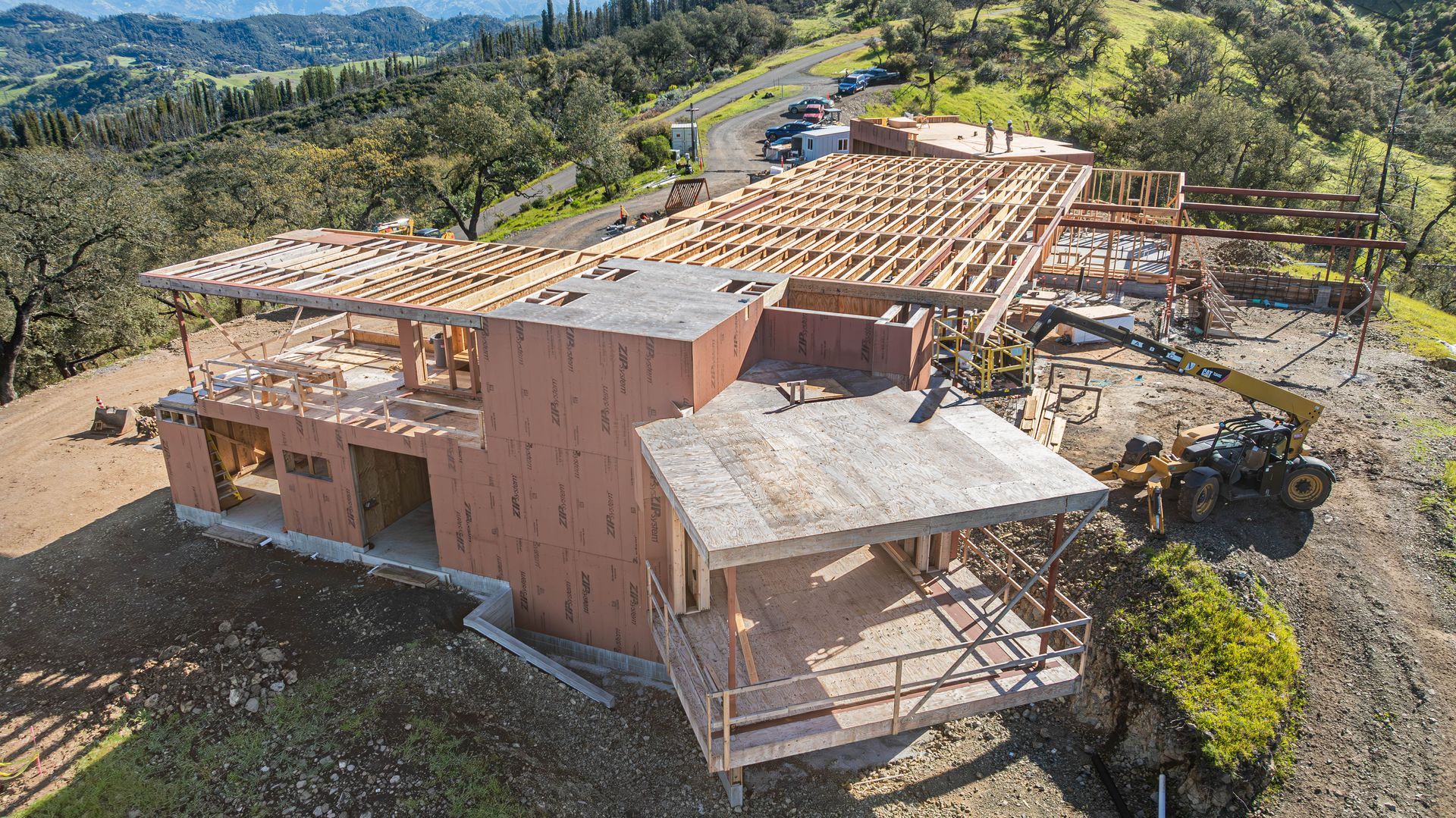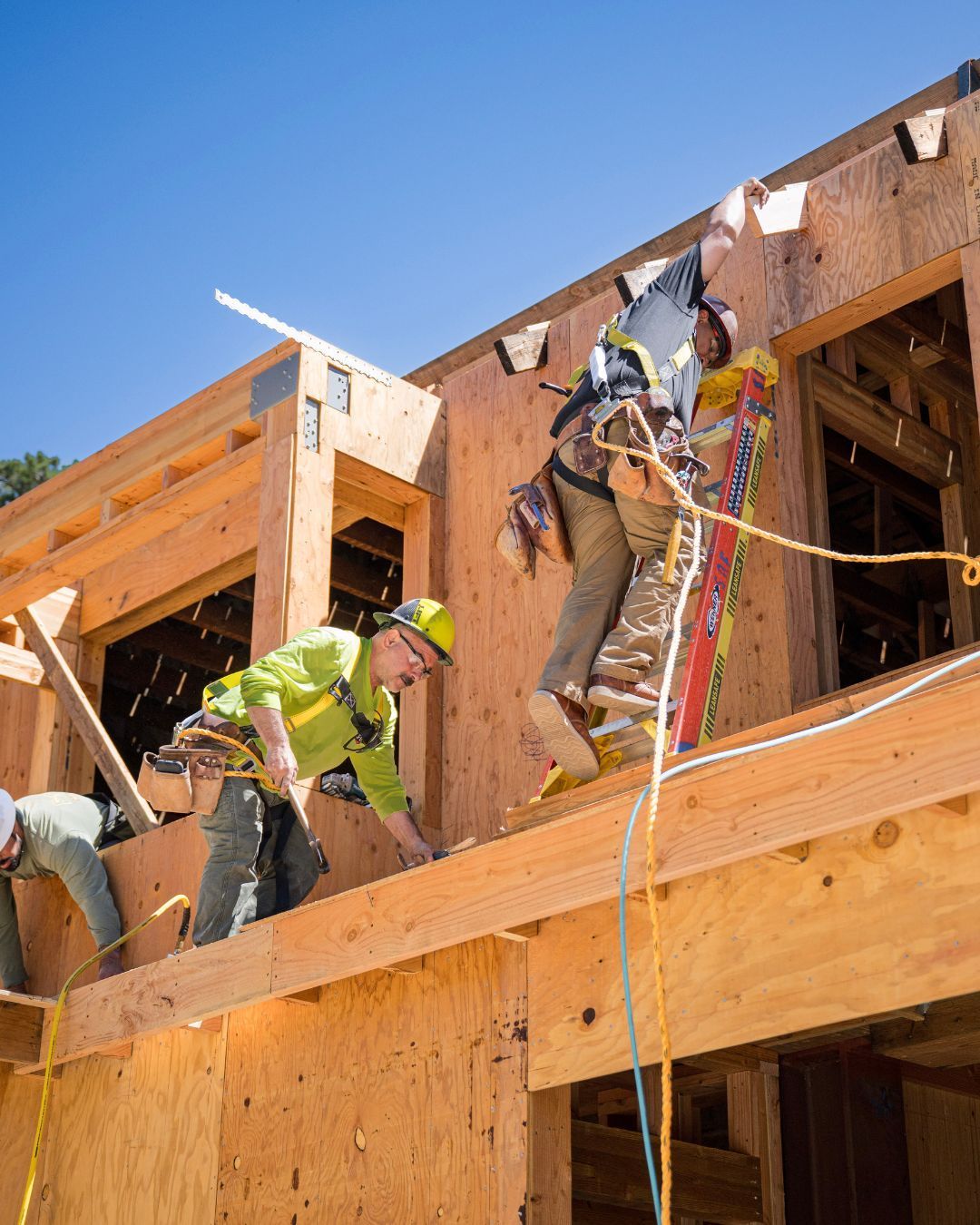
How can a framing company help employees grow in their careers? At S. R. Freeman, one answer is learning directly from experienced project managers and putting that knowledge into practice. Our fall classes bring field experience into discussions about preparing work, understanding responsibilities, and communicating clearly. For a team focused on custom residential structural framing, those conversations connect career development with the work employees encounter on custom homes. The program creates a setting where questions are welcome and learning continues beyond the jobsite.
A long tradition of helping employees grow
S. R. Freeman started these classes to help employees develop their careers and learn from experienced project managers. The company estimates that the program began in the late 1990s or early 2000s. The classes are usually held in the fall and sometimes more than once a year, with topics changing over time. That flexibility keeps employee learning connected to different parts of the work, rather than treating development as a single lesson. The purpose remains to give people an opportunity to build their understanding and grow within the industry.
Learning directly from project managers
The instructors bring firsthand project knowledge into the room. Employees can ask how a document connects with a field decision, discuss unclear information, and hear practical explanations from people who manage the work. The value is in that exchange. A question raised during an exercise can lead to a clearer understanding of why a preparation step matters. Our project managers' involvement gives employees access to experience they can explore together, with room to ask follow-up questions.
Connecting job documents with the work ahead
The five-session job-start series covered how a foreman reviews official SRF documents, including the contract, project proposal, and scope of work. Understanding those documents helps employees see how responsibilities connect with preparation. A scope is more useful when the team understands what it means for the work ahead. The classes brought that connection into focus, encouraging employees to look at the information behind a job before considering individual tasks in isolation.
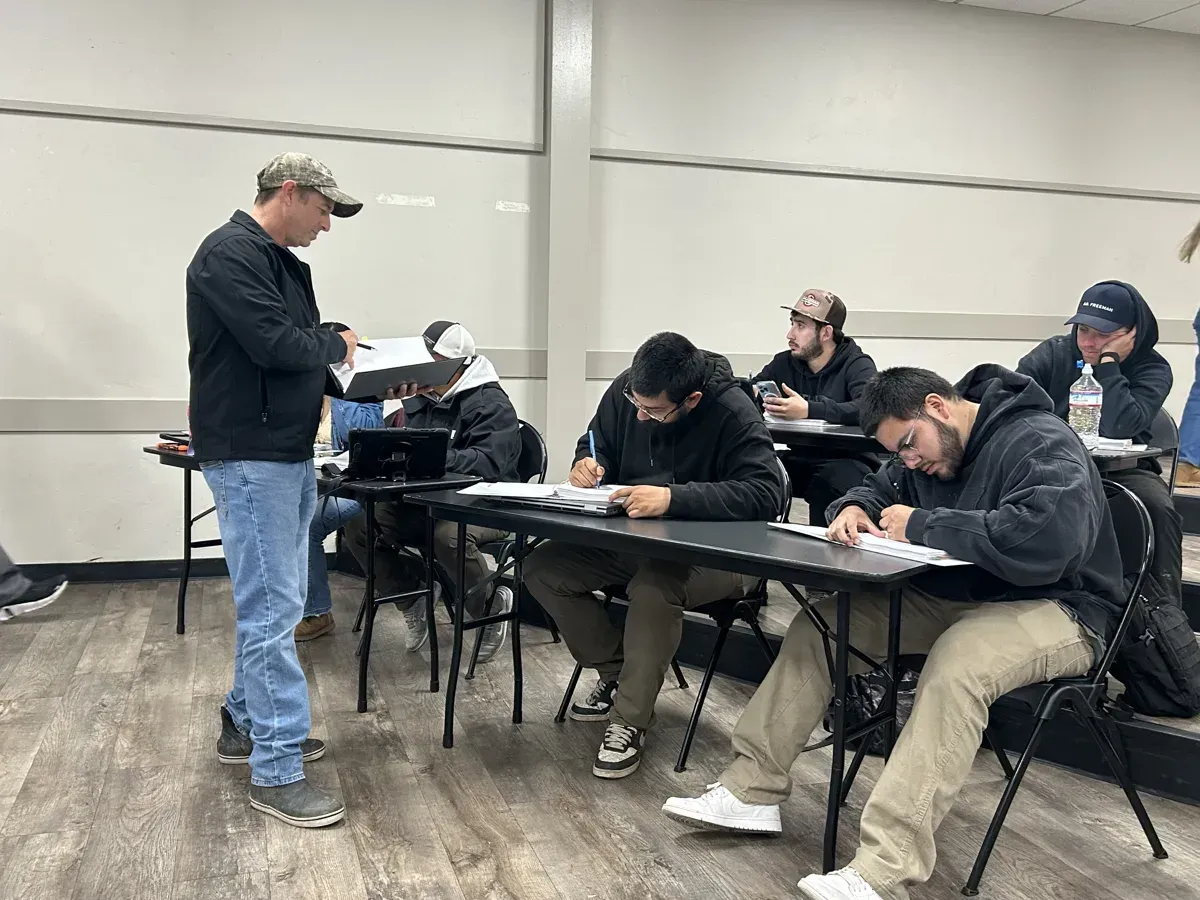
Practical document review connects the class discussion with job preparation.
Putting material planning into practice
Employees also worked through the relationship between project documents, material ordering, and estimating. Hands-on practice included creating and checking material orders and working through job-start documents. These exercises gave participants something concrete to examine and discuss. The emphasis was on understanding the information that supports an order and accounting for the supplies required. Crew composition was another subject, connecting preparation with the people needed to carry out the framing work.
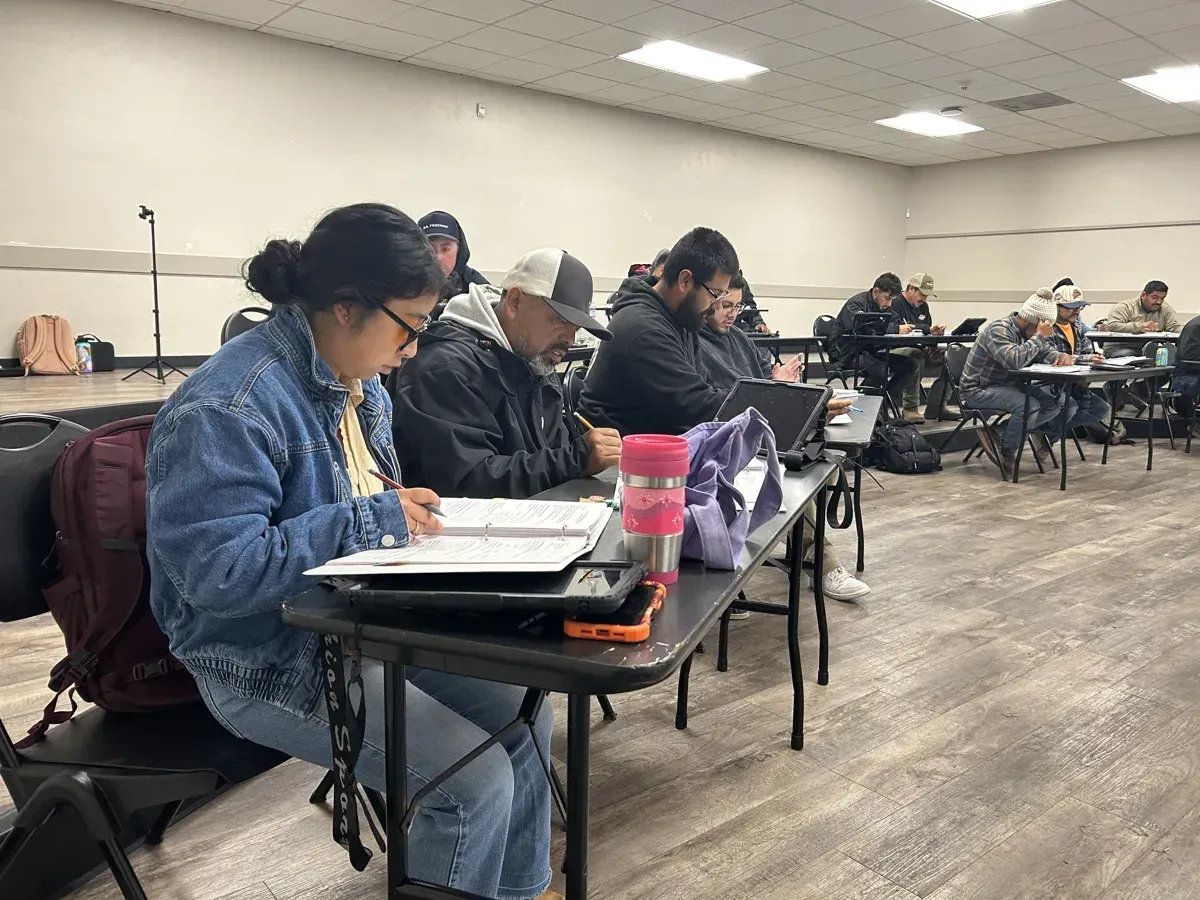
Employees work through class materials and put the discussion into practice.
Making space for clear questions and communication
Custom residential construction brings several project participants together. The series emphasized collaborating with general contractors, communicating with other subcontractors, and keeping those conversations clear. Missing details and unclear information were practical examples. Employees discussed how to submit a request for information to the appropriate project participants, including the general contractor or engineers. The foreman-development program also connects pre-job preparation and estimating with work in progress and project closeout, giving employees a broader view of the job.
Bringing the divisions together in a new format
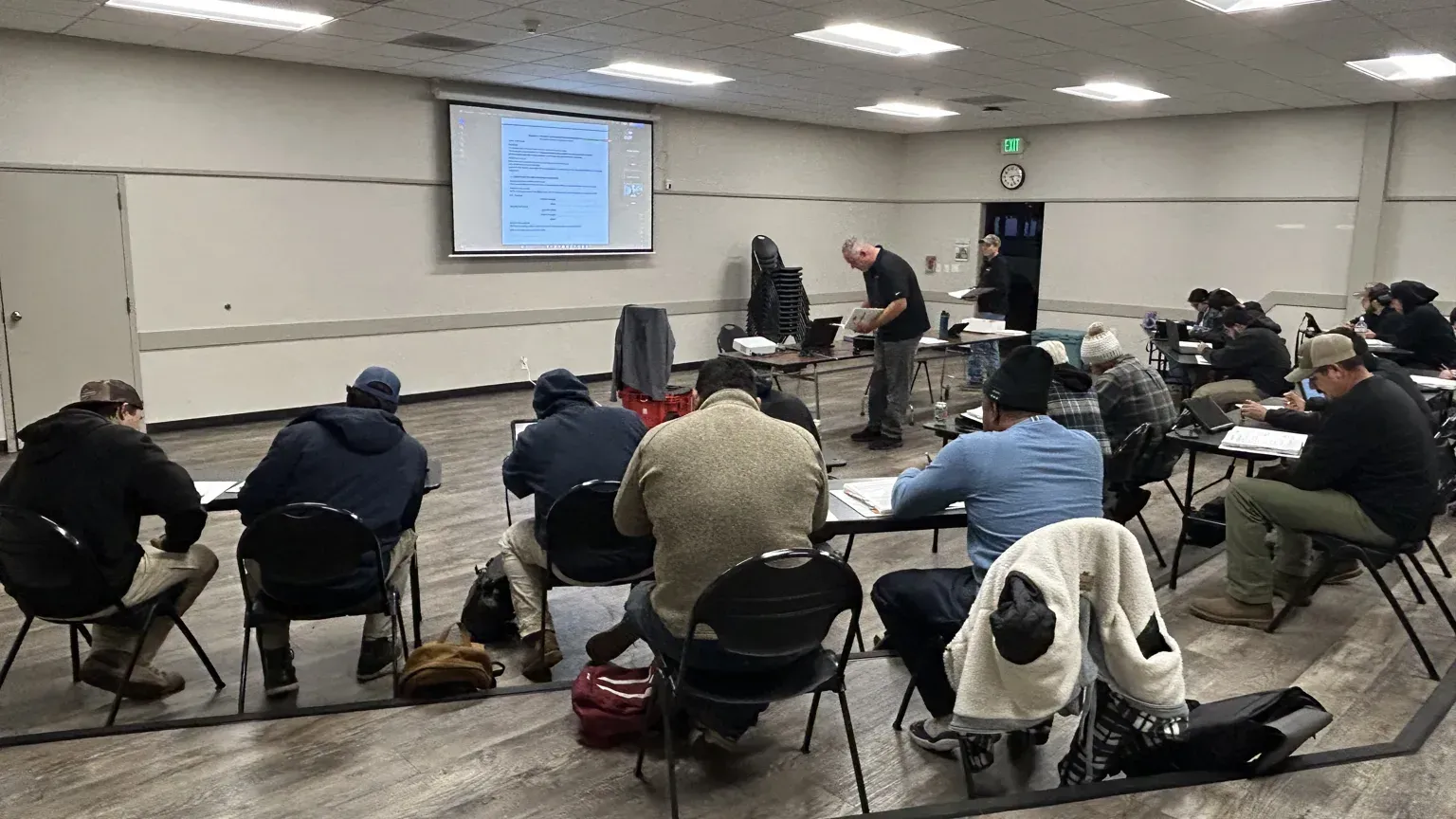
This year, the classes combined in-person instruction with a Zoom option, allowing employees in other divisions to gather in their local offices and join if they wished. The in-person sessions were held in Campbell. This format offered employees a shared opportunity to learn from experienced project managers while choosing how to participate.
Recognizing the commitment behind continued learning
Attending after a full day's work takes effort. We appreciate employees for showing up, asking questions, and taking part in the exercises. Their participation matters because the opportunity to learn becomes more useful when people engage with it. The fall classes reflect a commitment to developing people alongside the work itself. They offer employees a place to deepen their understanding, hear experienced perspectives, and continue building skills over time.
Get to know the people behind the framing
The fall classes are one example of how S. R. Freeman invests attention in its people and their development. Learn about our company and the principles behind our approach to custom residential structural framing. If you are planning a custom home, discuss your project early with our team and tell us about the location, scope, and preparation your build requires.